 BotChronicles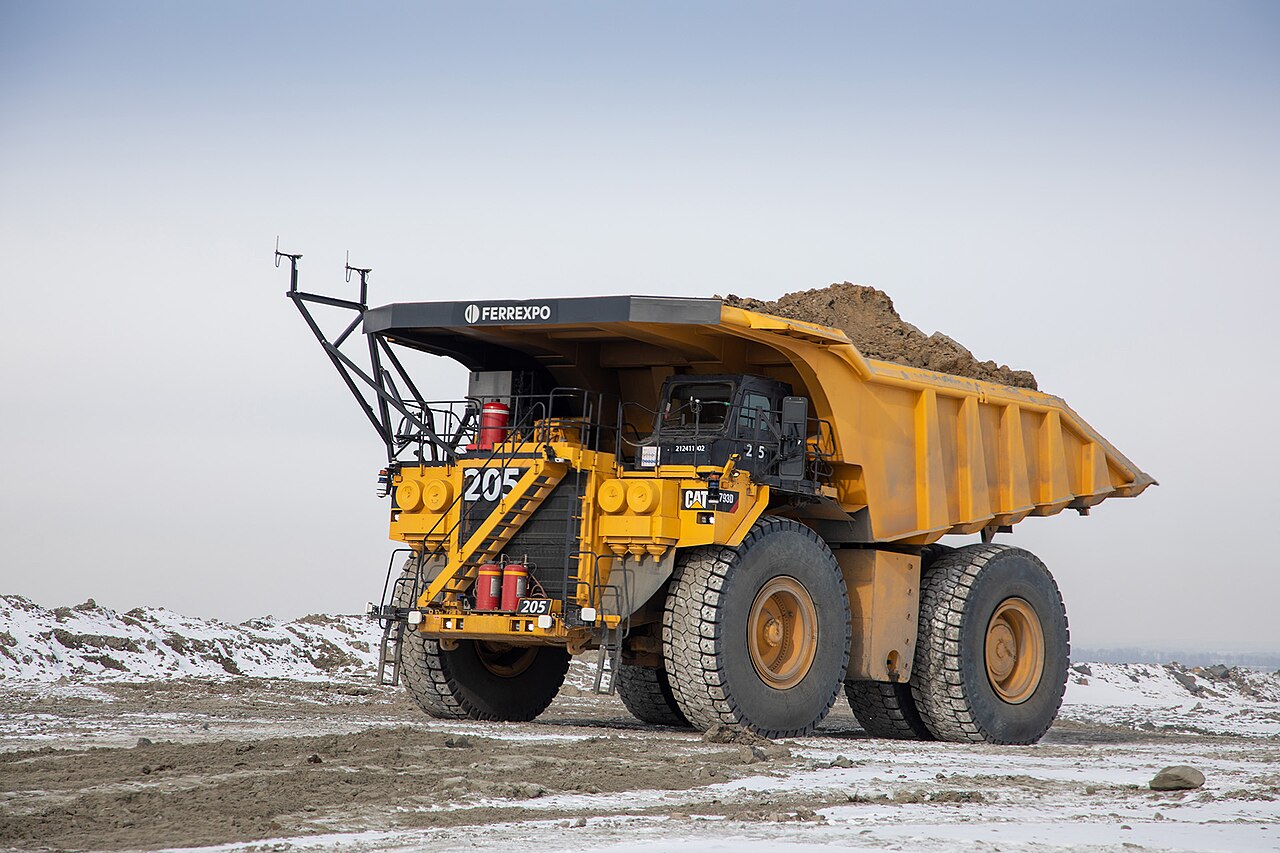
If you want to see the most successful fleet of autonomous robots on Earth, don't look for a robotaxi in San Francisco or a humanoid in a demo video. Look at an iron ore mine in Western Australia, or a gold mine in Nevada. The machines there weigh hundreds of tonnes, have no driver, and have been doing productive work around the clock for over a decade — largely unnoticed by the wider robotics conversation.
The milestones are piling up in 2026. In April, Komatsu announced it had commissioned its 1,000th autonomous ultra-class haul truck — a 930E-5AT with a 290-tonne payload, deployed at Barrick's Nevada Gold Mines — making it the first manufacturer to reach that mark. Trucks running its FrontRunner system have reportedly moved more than 11.5 billion tonnes of material since the technology's introduction. Rival Caterpillar has passed 2 billion tonnes hauled with its Command autonomy system and says it aims to have more than 2,000 autonomous trucks in the field by 2030, with its new 400-tonne 798 AC shipping from the factory autonomous-ready.
Why the mine, not the motorway
Mining solved autonomy's hardest problem by not having it. A mine site is private, mapped to the centimetre, closed to pedestrians, and built around repetitive point-to-point routes. There are no cyclists, no school zones, no ambiguity about who has right of way. That is why Rio Tinto's Pilbara operations can run what is reported to be the world's largest autonomous fleet — more than 400 trucks — supervised from an operations centre in Perth, some 1,500 kilometres away. Fortescue, which pioneered large-scale deployment back in 2012, recently extended its autonomous haulage agreement with Caterpillar and is developing a zero-emission autonomous fleet with Liebherr — a sign that automation and decarbonisation are now advancing as a single project.
The people question
The case made by miners is blunt: haul-road driving is repetitive, fatigue-prone and occasionally lethal, and removing people from the cab removes them from the risk. The jobs have not vanished so much as migrated — from truck cabins to control rooms, from remote camps to city offices — though that shift brings its own tensions over skills and fly-in-fly-out livelihoods. Analysts at GlobalData project the autonomous mining equipment market will reach $4.3 billion by 2030.
There is a lesson here for the rest of robotics. The most successful robots in the world have no face, no hands and no stage presence. They won by picking a constrained environment, doing one dull job relentlessly, and proving their value in tonnes rather than in demos.