 BotChronicles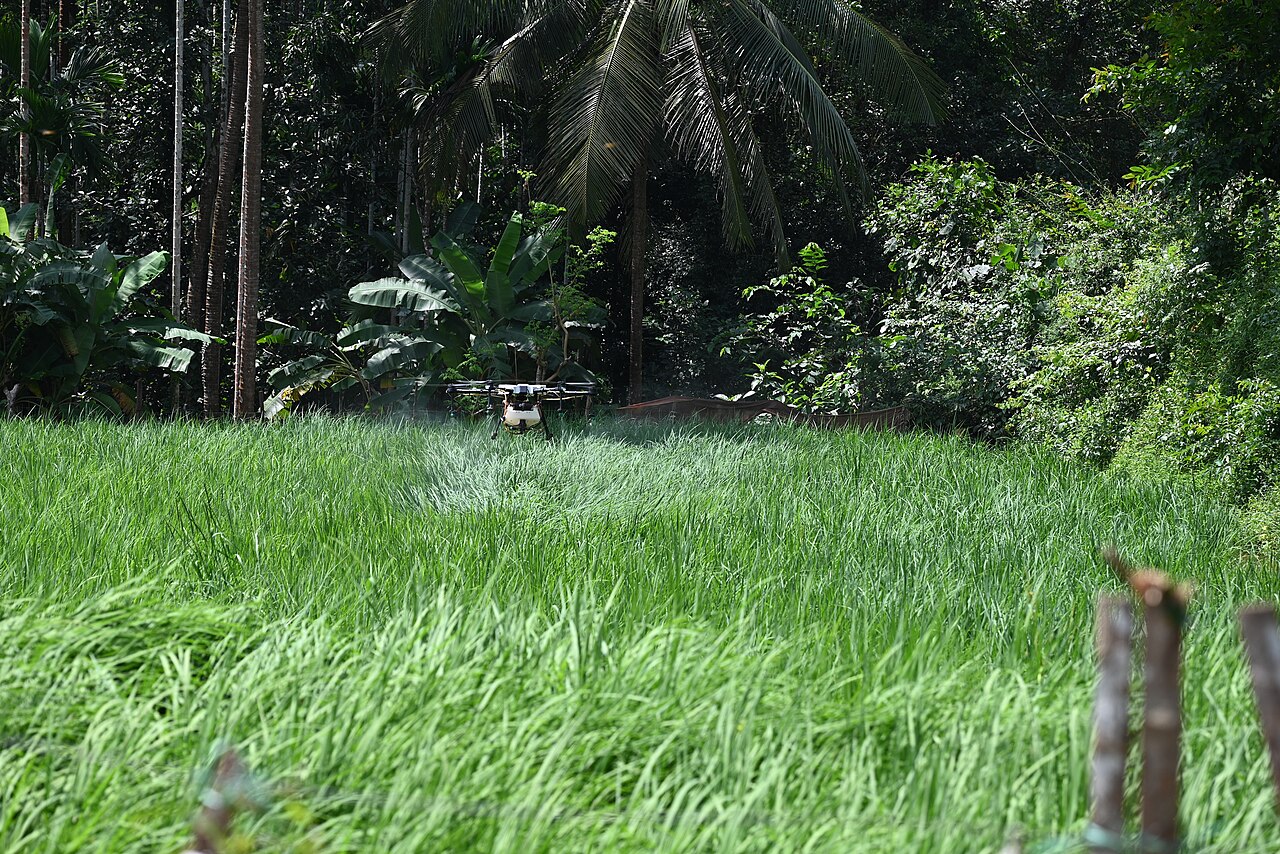
Every year, wildfire and flooding strip millions of hectares of forest bare. Replanting them by hand is slow, expensive and often impossible on steep or remote ground. A new generation of reforestation drones promises a shortcut: a small fleet can scatter seeds across a burned hillside in a single day, reaching terrain that a planting crew would need weeks to cover on foot.
The seed pod does the hard work
The clever part is not the aircraft but its cargo. Instead of loose seeds, the drones drop engineered pods, each holding a seed wrapped in nutrients, soil enhancers and a biodegradable coating that retains moisture and deters birds and insects. That protective shell gives a young root system a stronger early start, even in poor soil. Companies such as AirSeed in Australia, Flash Forest in Canada, Dendra Systems and the French-Brazilian firm MORFO have all built businesses around the idea. Their operators report survival rates of roughly 65 to 85 percent after three years, reported to be three to four times higher than traditional aerial seeding. MORFO says close to 80 percent of the pods dispersed in its pilot projects sprout into plants.
Fast and cheap, but not a silver bullet
The economics are what make people pay attention. Most commercial seeding drones release between 10,000 and 50,000 pods a day, and MORFO reports covering up to 50 hectares of open terrain in a single flight campaign. Analyses cited by the sector suggest drone planting can cost 40 to 80 percent less per surviving tree than hand crews on large or hard-to-reach sites. The technology has already been used to restore koala habitat in New South Wales and to replant fire-cleared and flood-damaged land across Australia.
Still, it is worth staying sober. Drones work best on difficult terrain where the alternative is doing nothing at all, not as a replacement for skilled planters or for a forest's own natural regeneration. Success depends on careful site selection, the right mix of native species and patient monitoring over years, not headline numbers on launch day. Seen that way, the tree-planting drone is less a miracle and more a useful new tool, one that finally lets restoration move at something closer to the speed of destruction.