 BotChronicles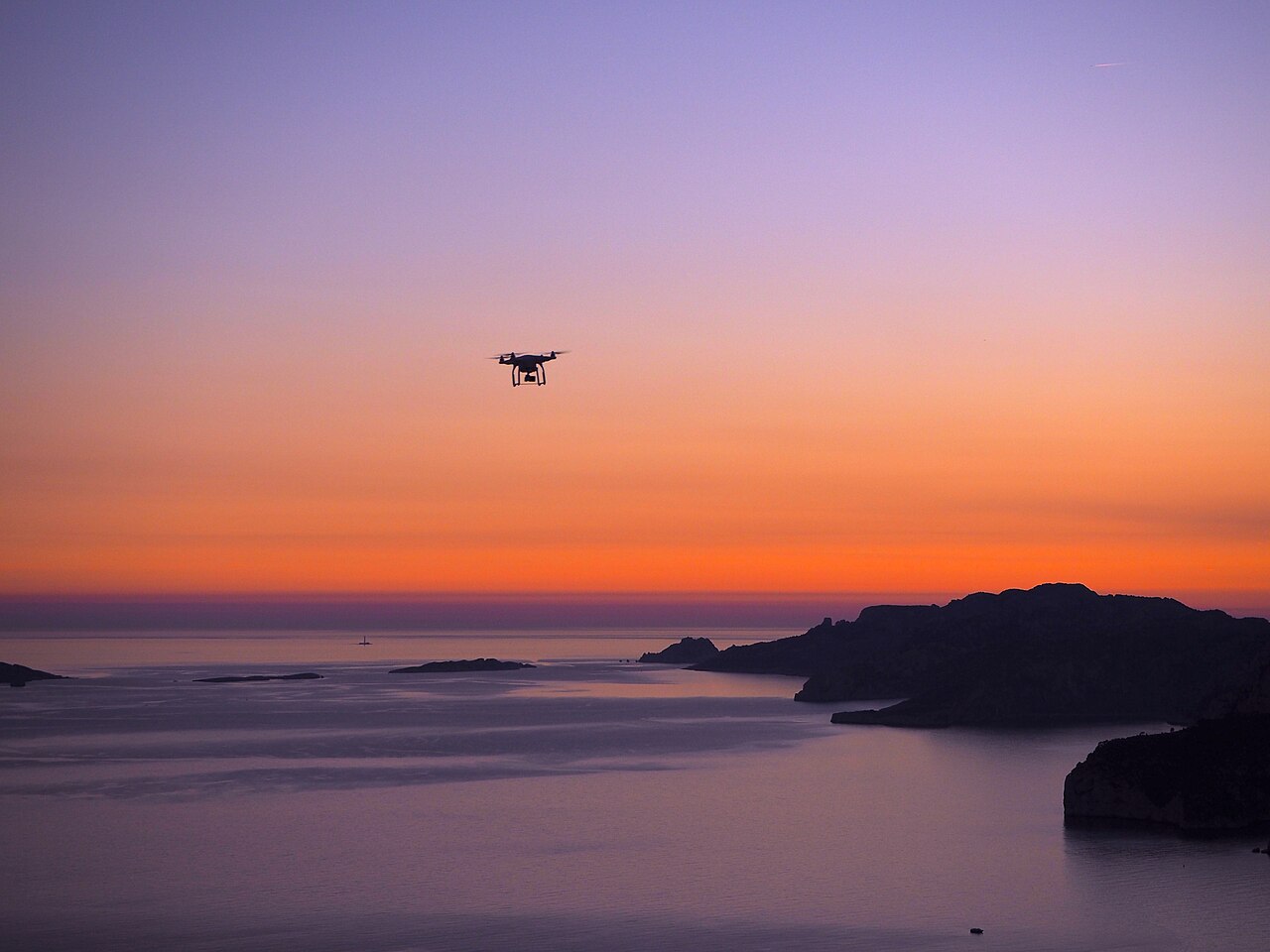
It is high season on the world's beaches, and the oldest problem of the seaside is unchanged: when a swimmer gets into trouble, everything is decided in a handful of minutes. The World Health Organization counts roughly 300,000 drowning deaths a year, and many coastal towns report they cannot recruit enough lifeguards. This summer, a growing number of rescue services are adding a new kind of colleague to the tower: robots.
EMILY, the buoy that races to swimmers
The veteran of the field is EMILY, short for Emergency Integrated Lifesaving Lanyard, a remote-controlled robotic buoy built by Arizona company Hydronalix with early funding from the US Navy. Dropped from a beach, a pier or a helicopter, it reaches a struggling swimmer far faster than any human can swim, and its foam hull is reported to keep four to six people afloat while rescuers close the distance. Several hundred units are said to be in service, from the Netherlands to Indonesia. This season, county beaches on Lake Michigan are testing the next step, as reported by local station WSBT: software that lets EMILY steer itself more autonomously, plus thermal sensors to help find a person in the water.
Eyes in the sky, algorithms on the sand
Spain has taken the aerial route. General Drones, a Valencia firm, flies its Auxdron lifeguard drone above crowded beaches and drops tethered life vests to swimmers in distress, keeping them afloat until the rescue boat arrives. The company has reported assisting lifeguards on some 22 Spanish beaches with a team of certified pilots, and its documented saves include a 14-year-old boy caught in heavy surf near Sagunto. Alongside the flying machines, camera systems driven by AI now scan the waterline, counting swimmers, flagging rip currents and spotting a child drifting past the safety flags. Euronews describes them as artificial lifeguards that never blink.
None of this replaces the human on the tower, and that is precisely the design. Drowning rescue is a race against two clocks: the time to find someone and the time to reach them. Robots compress both, while judgment, first aid and responsibility stay human. The equipment is also cheap enough for a municipal budget, which is why adoption is spreading through county parks and seaside towns rather than research labs.
Our take: rescue robotics is following the same path we have seen in firefighting and demining. Dull, dangerous and time-critical work is where machines earn public trust first. Watch for the next step, already visible in the Lake Michigan trials: buoys and drones that launch themselves the moment a camera or a smartwatch raises the alarm. On the beach, the difference between a scare and a tragedy is measured in minutes, and robots are very good at minutes.