 BotChronicles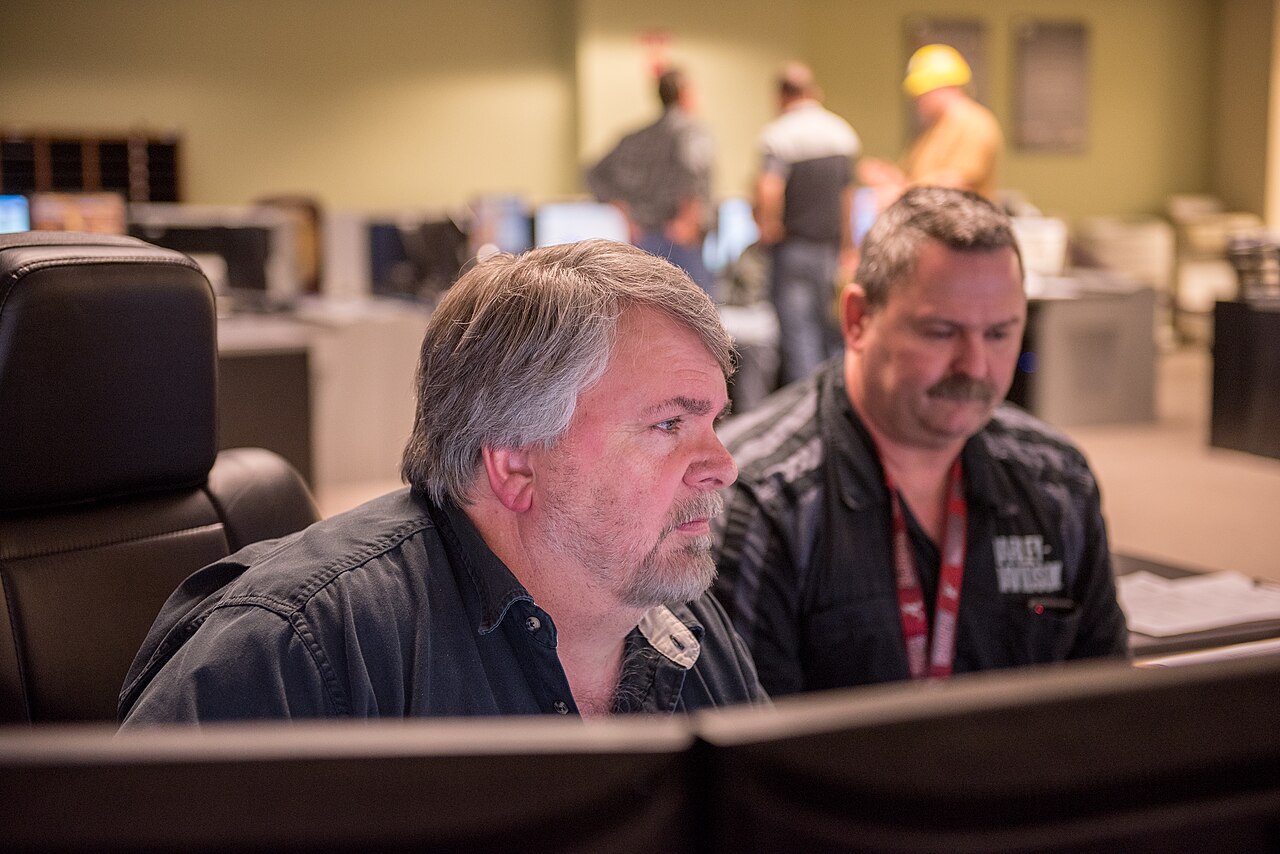
Every autonomous robot has a secret, and the secret has a pulse. When a Waymo robotaxi meets a blocked junction it cannot untangle, a Fleet Response specialist in an office weighs in remotely. Waymo is reported to employ about 70 such operators for a fleet of roughly 3,000 vehicles, a ratio near one to 43; Cruise, before its shutdown, was reported to use closer to 1.5 operators per car. Tesla has acknowledged in a letter to a US senator that its safety staff can take control of robotaxis remotely. Berlin's Vay skips the pretence entirely: its cars are driven by remote humans as a service. The industry calls all this teleoperation. The public mostly does not know it exists.
Now entering your living room
The practice is about to get personal. NEO, the 20,000 dollar home humanoid from Norwegian-American firm 1X that began reaching US homes this year, performs chores it has not yet learned with the help of a remote human operator who sees through its cameras and guides its hands. The company estimates 60 to 70 percent autonomous operation in 2026 and promises safeguards: no-go zones, scheduled sessions, face blurring, audio masking and background-checked operators. But as reviewers have noted, none of these safeguards has yet been independently audited, and a stranger piloting a robot through your kitchen is a genuinely new category of houseguest.
It is tempting to call this all a fraud, robots sold as autonomous that are secretly puppets. That would be unfair, and it would miss what teleoperation actually is: the apprenticeship system of robotics. Every intervention is training data; today's remote correction becomes tomorrow's learned behaviour. Waymo's lean ratio suggests the model works, since one operator per 43 vehicles is not a hidden chauffeur, it is a safety net.
What honesty would look like
Still, three things deserve daylight. First, disclosure: users should know when a human can see through a robot's eyes, and current marketing rarely says so plainly. Second, labour: teleoperation is becoming a real profession, thousands of screens away from the machines, and its pay, conditions and offshoring deserve the same scrutiny warehouse work receives. Third, security: a remotely drivable robot is remotely drivable by anyone who breaches it, which makes the access channel itself critical infrastructure.
Our take: teleoperation is neither scandal nor scam; it is scaffolding, and scaffolding is supposed to be visible. The companies that admit where the humans are will earn the trust the others are borrowing. The robot revolution, it turns out, is a joint venture between machines that are learning and people we cannot see. We should at least be introduced.