 BotChronicles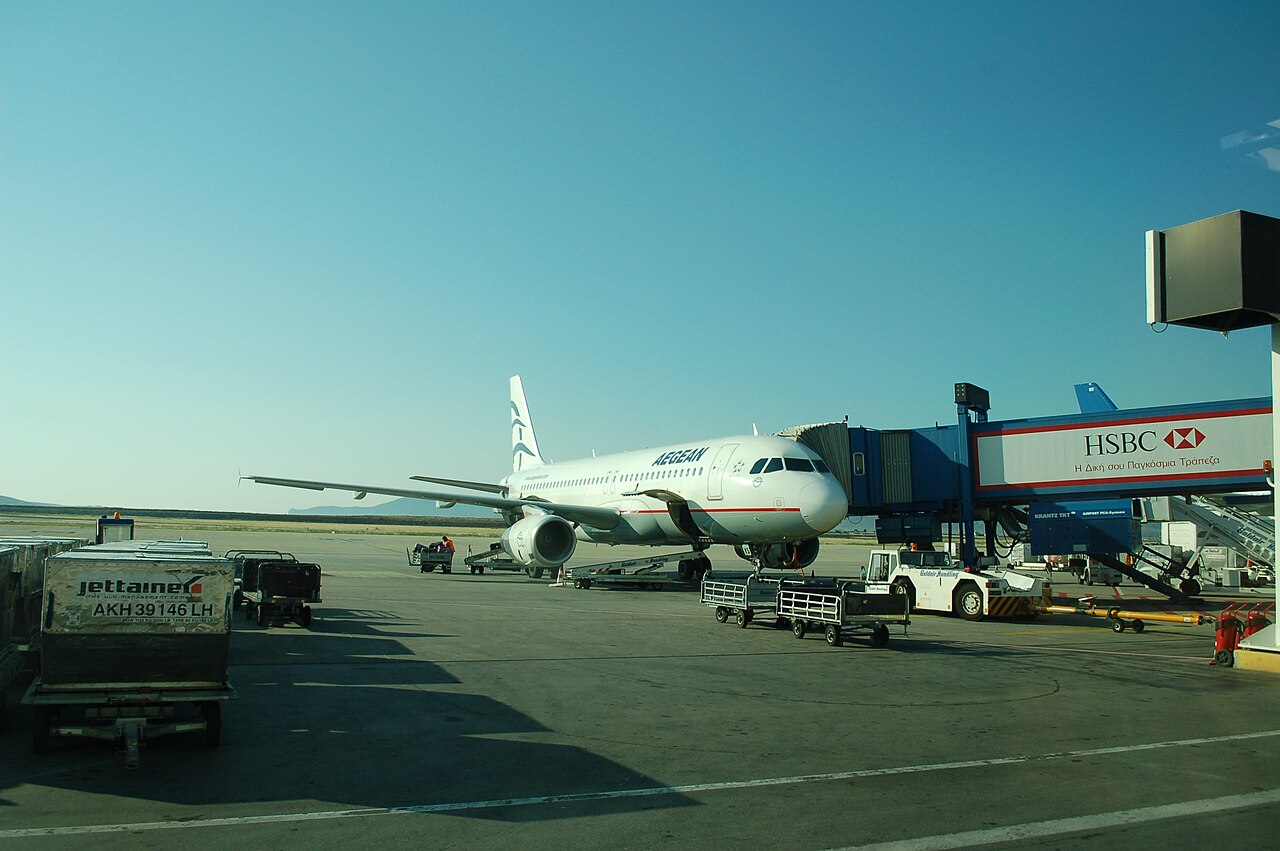
Look past the departure boards on your next trip and you may notice the airport has quietly hired a new workforce. At Seoul's Incheon International, self-driving tugs are reported to complete 70 percent of apron baggage runs without a human at the wheel, threading between aircraft, sorting areas and gates. Amsterdam's Schiphol is said to be targeting 90 percent autonomous baggage handling, pairing robotic lifting aids with automated systems to spare handlers' backs. And at Singapore's Changi, cleaning robots reportedly cover more than 1.2 million square feet of terminal floor every day, some of them dressed, in true Changi style, in butlers' uniforms.
A city with boarding passes
Airports are ideal robot habitats for the same reason ports and warehouses were: they are dense, mapped, fenced and open around the clock, with chronic labour shortages and zero tolerance for delay. The difference is that an airport is also full of the public, which makes it the world's best rehearsal stage for robots that must work around people. Changi's operations reportedly coordinate cleaning machines, delivery bots, inspection crawlers and security robots from a single central platform, a genuine robot city under one roof. The trend is accelerating: Japan Airlines and GMO launched Japan's first humanoid trial for ground handling at Tokyo Haneda in May, using Unitree-based machines reported to cost about 15,400 dollars each for baggage container transport and cabin cleaning.
The robot that meets you at the gate
The most personal of these machines does not touch a suitcase. WHILL's autonomous wheelchairs, now reported to operate at 26 airports worldwide, have delivered more than one million self-driving rides to passengers with reduced mobility. The passenger selects a gate; the chair navigates there on pre-mapped routes, avoids obstacles, then drives itself back to its charging station. Heathrow began a Terminal 3 trial in June, and Paris Orly is reported to be among the next launches. For travellers who once waited for an attendant to push them through the terminal, the chair is not a gadget; it is independence.
There are honest caveats. Airports remain labour battlegrounds, and ground-handling unions will watch the tug statistics as closely as the passengers watch the robots. Every automated system also becomes critical infrastructure whose failure ripples through hundreds of flights.
Our take: aviation adopted autopilot decades before your car did, and its ground operations are now repeating the pattern. The airport is doing what it has always done best, absorbing new technology under the strictest safety rules on Earth, then normalising it for everyone else. The robots you meet at the gate this summer are the preview of the ones your city gets next.