 BotChronicles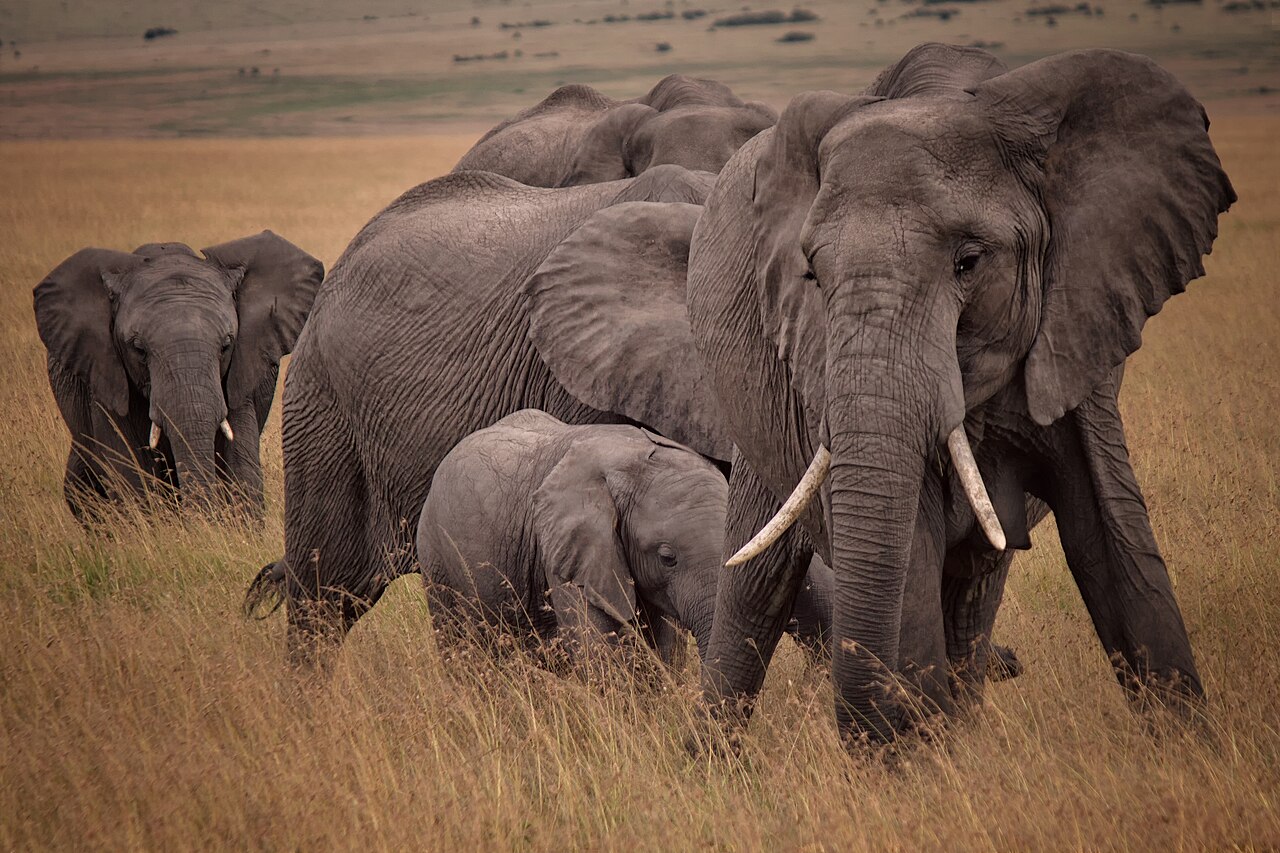
Night falls over the Maasai Mara, and the most valuable eyes in the reserve are airborne. A drone with a thermal camera sweeps the darkness where rangers cannot see, streaming live video to a patrol vehicle kilometres away. Conservation teams report that pairing AI analysis with drones lets rangers detect poachers up to 17 times faster than traditional patrols. In Kenya, the Mara Elephant Project reports that the share of illegally killed elephants fell from 83 percent to 44 percent over five years of technology-assisted patrols, with more than 300 poachers arrested and over a tonne of ivory seized.
From reactive to predictive
The deeper shift is not the hardware but the mathematics. Systems such as PAWS, the Protection Assistant for Wildlife Security, analyse historical patrol data and terrain to predict where poachers are likely to strike next, letting thinly stretched ranger teams patrol smarter rather than harder. In India, drone systems with high-resolution and thermal sensors are reported to compress patrol tasks that once took 20 days into half a day. Conservation has always been a numbers game played with too few people across too much land; prediction and aerial robotics change the arithmetic.
The same machines are transforming the counting. Aerial surveys by drone are reported to tally wildlife more accurately than human observers, with far less disturbance than a low-flying aircraft or a jeep column. Population estimates, the foundation of every conservation decision, are becoming both cheaper and more trustworthy.
The spy who swam with them
The strangest recruits are the robots that pretend to be animals. Researchers have deployed Robofish, a biomimetic fish accepted by real shoals, to study leadership and collective behaviour from inside the group, and bird-mimicking robots such as HuBot to observe species without the stress a human presence causes. A recent Science Robotics paper describes robots and animals teaming up in the wild as a genuine new tool for ecosystem management. The logic is elegant: the least disruptive observer is the one the animals mistake for a neighbour.
Honesty requires caveats. Drones themselves can stress wildlife when flown carelessly, surveillance tools aimed at poachers can drift toward surveilling communities, and no algorithm replaces rangers, funding and political will. The Mara's numbers improved because technology multiplied human effort, not because it replaced it.
Our take: conservation robotics is what happens when the surveillance economy's tools are pointed at a problem worth solving. The same thermal cameras, prediction engines and autonomous platforms built for commerce and security are, for once, working the night shift for the elephants. It is one robot deployment nobody should want to slow down.