 BotChronicles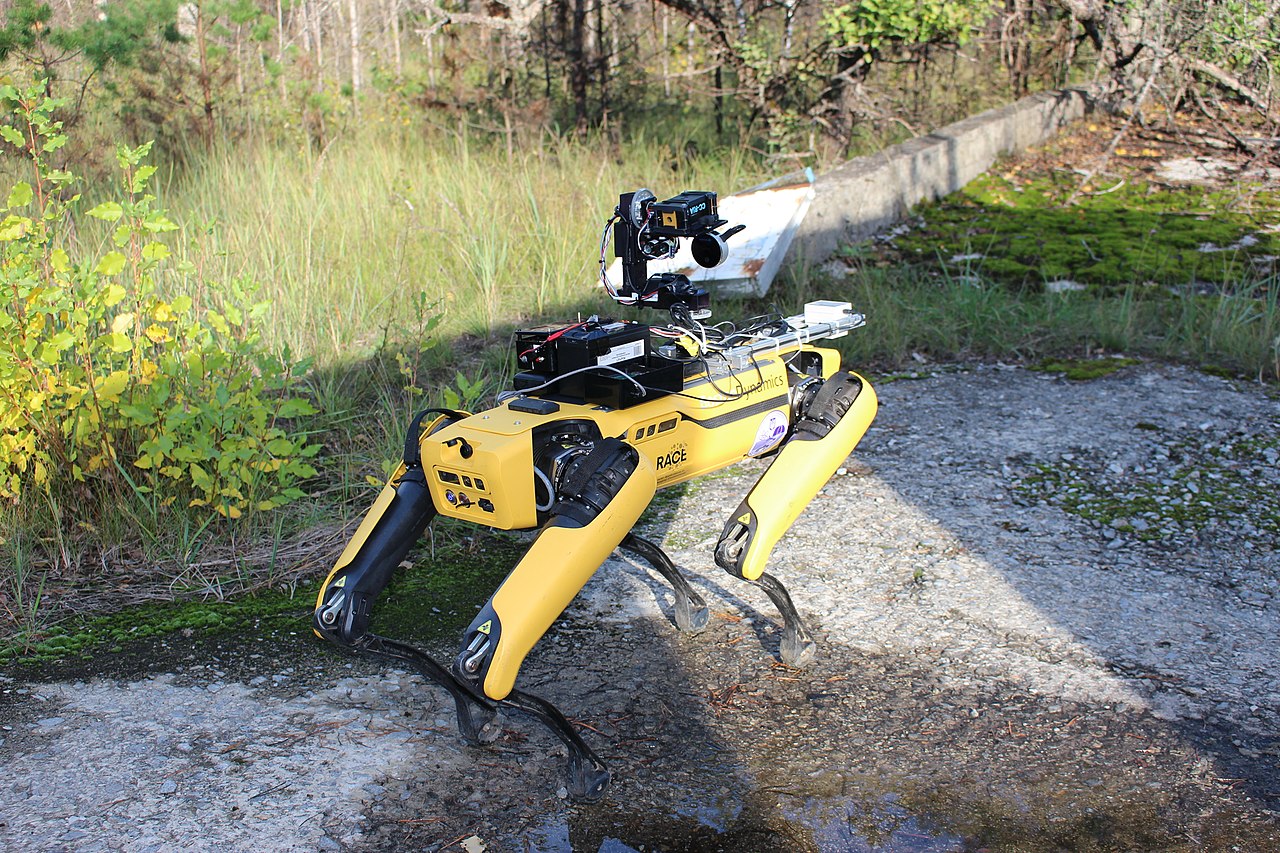
The robots that grab headlines in 2026 walk on two legs. The robots actually clocking in for paid shifts walk on four. While humanoids dominate the magazine covers, the humble "robot dog" — the quadruped — has quietly slipped from viral demo into the budget line of serious industrial buyers.
A new guard dog for the AI boom
The clearest sign came this spring, when Fortune and Business Insider reported that quadrupeds are now patrolling the giant data centers that power artificial intelligence. Boston Dynamics says demand from AI firms has surged: "We've seen a huge, huge uptick in interest from data centers in the last year," its product lead Merry Frayne told reporters. It is not hard to see why. Companies are reported to be pouring nearly $700 billion into AI infrastructure, and some sites are vast — Meta's planned "Hyperion" campus is said to cover roughly four times the area of Central Park. Guarding that much ground around the clock is expensive, and a Spot unit — priced between a reported $175,000 and $300,000 — is said to pay for itself within two years.
But the real job is inspection
Patrolling makes the headlines; inspection pays the bills. A stable four-legged gait lets these machines climb stairs, cross gravel and squeeze into spaces built for no one, which makes them ideal for the dull, dirty and dangerous corners of heavy industry. DEEP Robotics has deployed quadrupeds to inspect electrical substations; Switzerland's ANYbotics sends its ANYmal into oil, gas and power plants to read gauges and sniff for leaks; Ghost Robotics pitches its machines for construction sites and the military alike. Boston Dynamics has reported that more than 60 bomb squads and SWAT teams across North America now field a Spot.
A price split is opening up beneath all this. At the top sit premium platforms like Spot and ANYmal; underneath, China's Unitree sells capable quadrupeds for a fraction of the cost, dragging the average unit price toward $30,000. Market researchers expect the sector to grow from roughly $3 billion in 2025 to well over $15 billion within a decade. Deloitte, meanwhile, notes that industrial robot sales have been broadly flat since 2021 — which makes the quadruped's quiet rise all the more striking.
None of this is as thrilling as a robot that walks, talks and folds your laundry. But that is rather the point. Humanoids may yet change everything; the four-legged inspector is changing something now. In commercial robotics, the machine that pays for itself in two years tends to beat the one that might pay off in ten.