Robotics has conquered the warehouse and is creeping into the operating room, but the construction site has long resisted. It is messy, unmapped, outdoors and different every day — the opposite of the controlled spaces where robots thrive. In 2026 that resistance is finally breaking down, and the reason is as much economic as technical: builders simply cannot find enough people.
From pilot to payroll
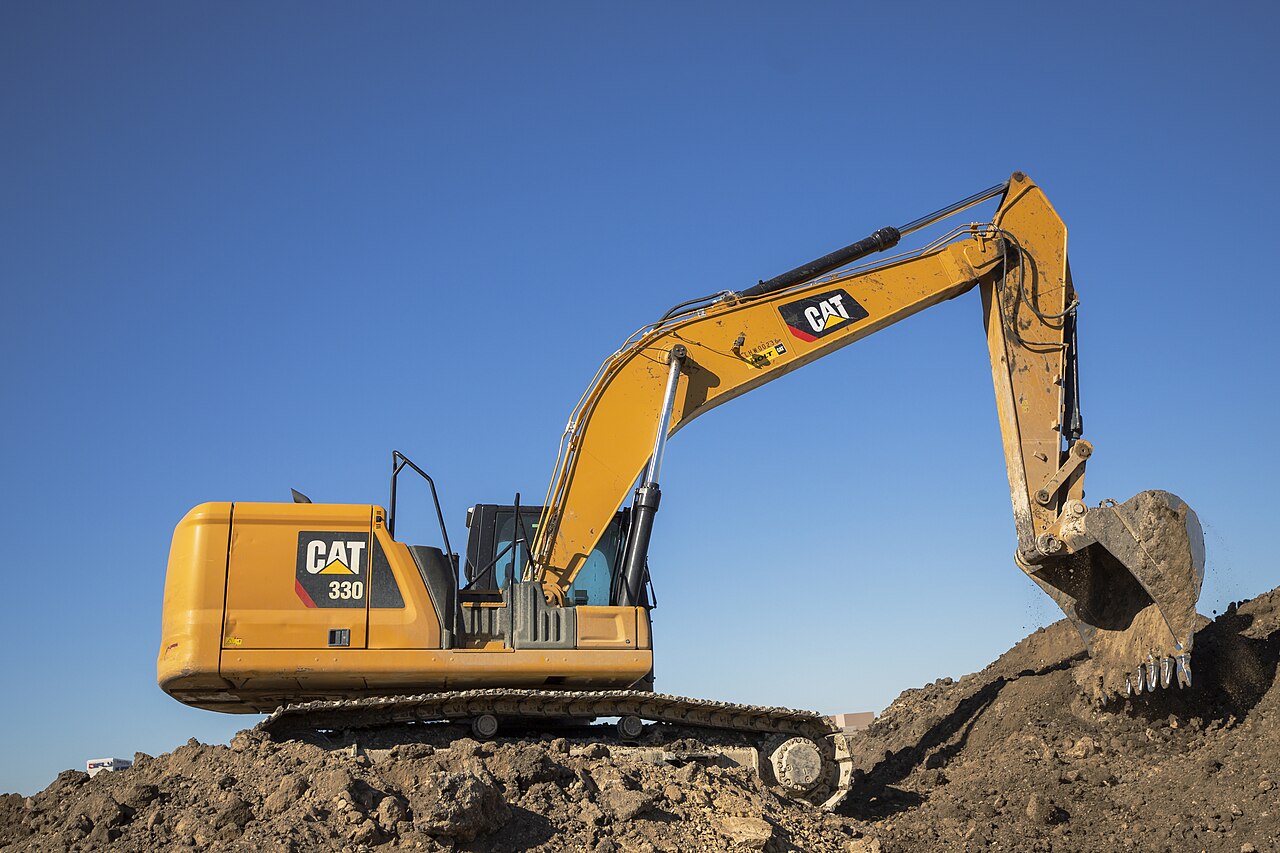
The clearest signal is money. In February 2026, the autonomous-construction startup Bedrock Robotics reported a $270 million funding round, bringing its total backing past $350 million, and said it was targeting its first fully operator-less excavator deployments with customers this year. Its retrofit systems are reported to be running on machines across active sites in Arizona, Texas and Arkansas — not demos, but paying jobs. Turning a standard excavator into a robot, rather than building an exotic new machine, is proving to be the pragmatic path onto the site.
The big manufacturers are moving too. At CES 2026 in January, Doosan Bobcat unveiled the RogueX3, a third-generation electric, autonomous concept loader with a modular design: cab or no cab, wheels or tracks, and power options spanning battery, diesel, hybrid or even hydrogen. The company also showed a "Jobsite Companion" that uses an on-device large language model to give voice and screen guidance, reportedly automating more than fifty machine functions without any cloud connection — edge AI arriving on the dashboard of a digger.
Filling gaps, not taking jobs
What makes construction unusual is that the robots are not displacing willing workers; they are filling roles that increasingly go unfilled. Specialist trades are leading adoption. Rebar-tying robots — bridge-like rigs that crawl over steel mats, using computer vision to find each intersection and tie it — are reported to have cut injury rates by close to 40 percent on the projects that use them, sparing workers a notoriously back-breaking task. Layout robots that print full-scale plans directly onto concrete floors are replacing the slow ritual of snapping chalk lines.
The hype still outruns reality. A site where you "press start and a building appears" is not coming this decade, and a robot can still be defeated by mud, a misplaced pallet or a sudden change of plan. But the trend is unmistakable: robots are being treated as competitive tools by the trades, and the job description of a construction worker is quietly shifting from swinging a hammer to supervising a small fleet of machines from a tablet.