 BotChronicles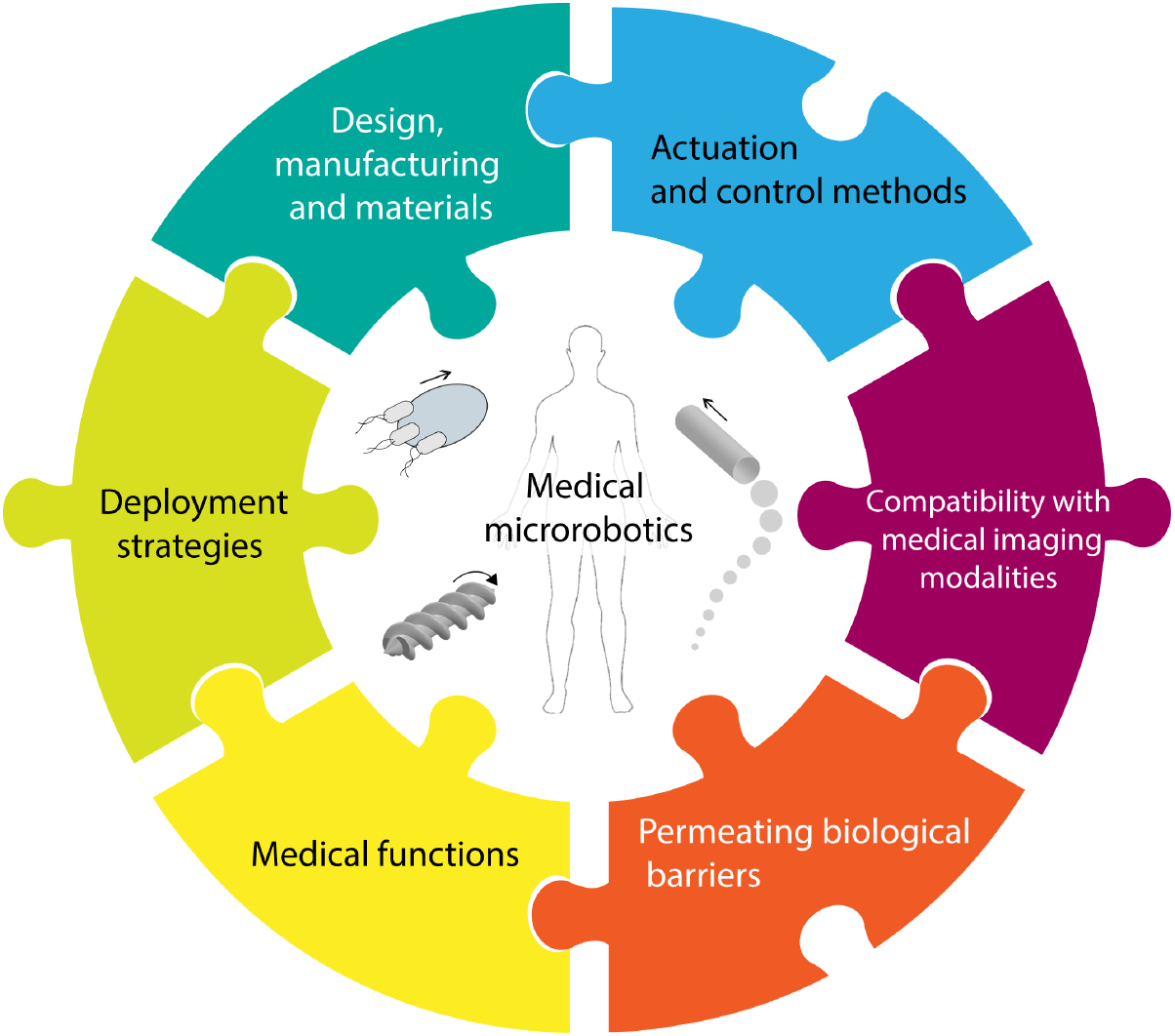
For decades the robot has been a machine you could see and hear. A quieter revolution is now unfolding at a scale smaller than a grain of rice, inside the human body itself. In late 2025, researchers at ETH Zurich unveiled a magnetically guided microrobot designed to swim through the bloodstream and release its cargo exactly where a doctor wants it — and the approach is now edging from the laboratory toward the clinic.
A capsule you can steer
The ETH device, reported in November 2025, is a tiny spherical capsule made of a soluble gel. It is loaded with iron-oxide nanoparticles, which let external magnets steer it through vessels, and tantalum nanoparticles, which make it visible under X-ray so clinicians can track it in real time. The goal, the team reported, is to carry clot-dissolving agents, antibiotics or tumour therapies directly to hard-to-reach sites in the brain and body. In realistic vessel models and in large-animal tests, the researchers said they were able to navigate the robot to a blood clot and dissolve it.
The clinical logic is compelling. Today, most drugs are flooded through the whole body so that enough reaches the target — a blunt approach that forces high doses and risks serious side effects such as internal bleeding. A separate study published in Science described a similar magnetic platform delivering a payload to a precise location in large animals under clinical conditions, uniting navigation, drug release and imaging in one system. Off-target drug exposure, researchers note, accounts for a large share of clinical-trial failures.
From demo to patient
Momentum is building on the commercial side too. California-based Bionaut Labs, which steers millimetre-scale robots through the fluid spaces of the brain, began human trials in 2024 and has won FDA orphan-drug and humanitarian-use designations for treatments targeting malignant brain tumours and a rare paediatric disorder. In France, the startup Robeauté raised $28 million in early 2025 to develop a microrobot for brain surgery.
None of this means a swarm of tiny surgeons is coming next year. The hurdles — safe retrieval, manufacturing at scale, and rigorous trials — remain formidable. But the direction of travel is clear: after years as a laboratory curiosity, the medical microrobot is starting to look less like science fiction and more like a plausible tool of the operating room.