 BotChronicles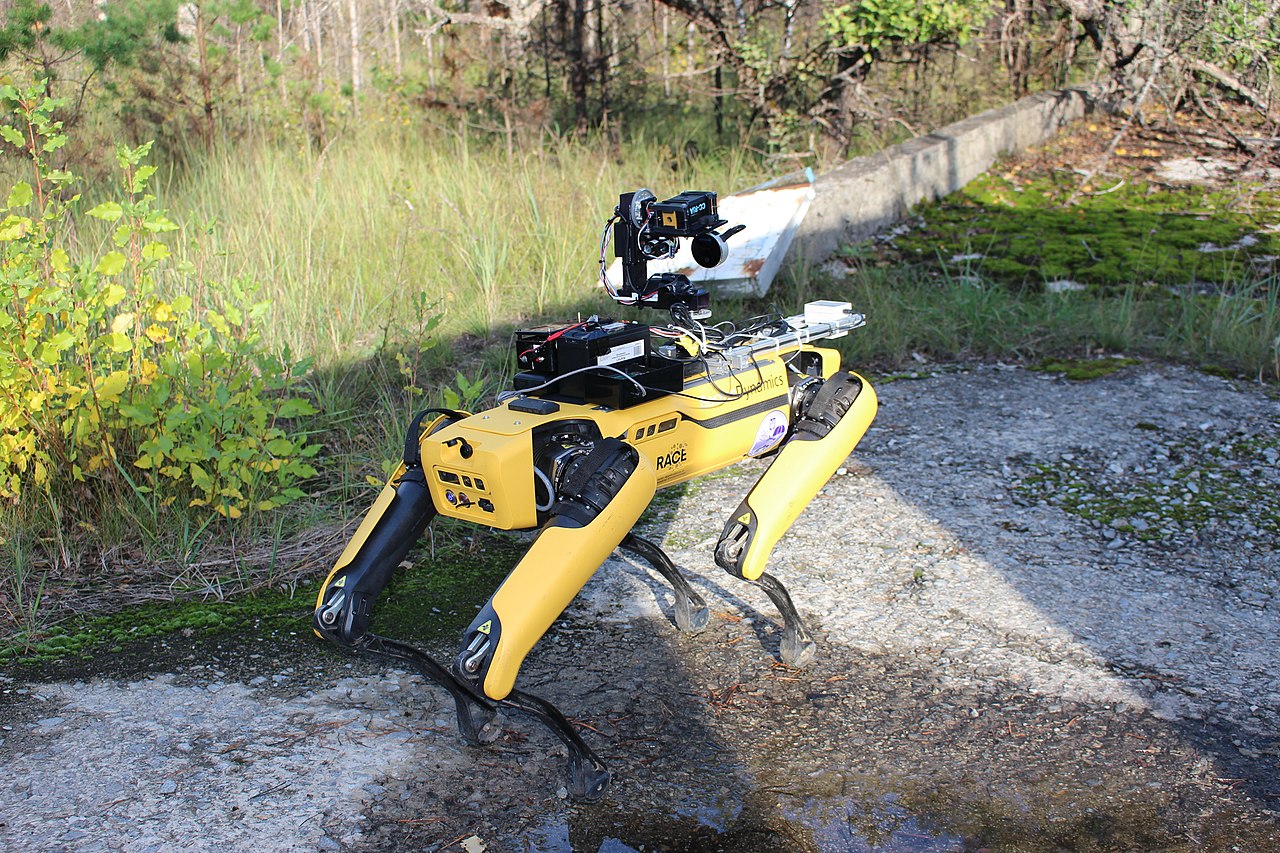
For most of the past decade, the robot dog was a meme. It opened doors, danced to pop songs and starred in vaguely sinister viral clips. In 2026 the novelty has worn off — and the quadruped has quietly found something more useful to do: actual work.
From dancing demo to night-shift guard
The clearest sign of the shift is who is buying. Fortune reported in March 2026 that four-legged robots costing up to $300,000 are now patrolling some of the country's largest data centers — the power-hungry buildings behind the AI boom. Boston Dynamics and Ghost Robotics are selling quadrupeds to monitor perimeters, map sites and watch equipment around the clock, flagging hazards as mundane as a puddle or a leak. Novva Data Centers in Utah has publicly deployed a pack of Boston Dynamics' Spot robots across its 1.5-million-square-foot campus. A Boston Dynamics product lead reportedly told Business Insider the company had seen a "huge, huge uptick in interest from data centers in the last year," and estimates the machines pay for themselves within two years.
The real money is in inspection
Security grabs the headlines, but the steadier business is inspection. Switzerland's ANYbotics, whose ANYmal robot is built for hazardous industrial sites, reported topping $150 million in total funding in late 2025; its fleet of more than 200 units now carries out thousands of inspections a week across oil, gas, mining and power facilities for customers reported to include Equinor, ENI and Petrobras. Its next model, ANYmal X, is billed as the first explosion-certified legged robot and is due to reach the market in 2026. Industry analysts quoted in trade coverage peg the legged-robot market at roughly $1.8 billion in 2025, rising toward $8.4 billion by 2030.
Underneath the boom sits a split market. China's Unitree reportedly dominates by volume — its rugged B2 lists around $26,000, a fraction of a premium Spot or ANYmal — flooding research labs and hobbyists. The expensive machines, meanwhile, do the regulated, revenue-earning rounds in energy and heavy industry.
None of this is the humanoid future we were promised, and that may be the point. The robot dog earns its keep on the "dull, dirty and dangerous" tasks people would rather skip. Yet the optics unsettle plenty of observers: critics note the irony of $300,000 machines guarding the very data centers communities increasingly resent, and weaponized variants keep the ethical questions sharp. The quadruped's real test in 2026 is no longer whether it can climb a staircase — it is whether it can quietly justify the invoice.