 BotChronicles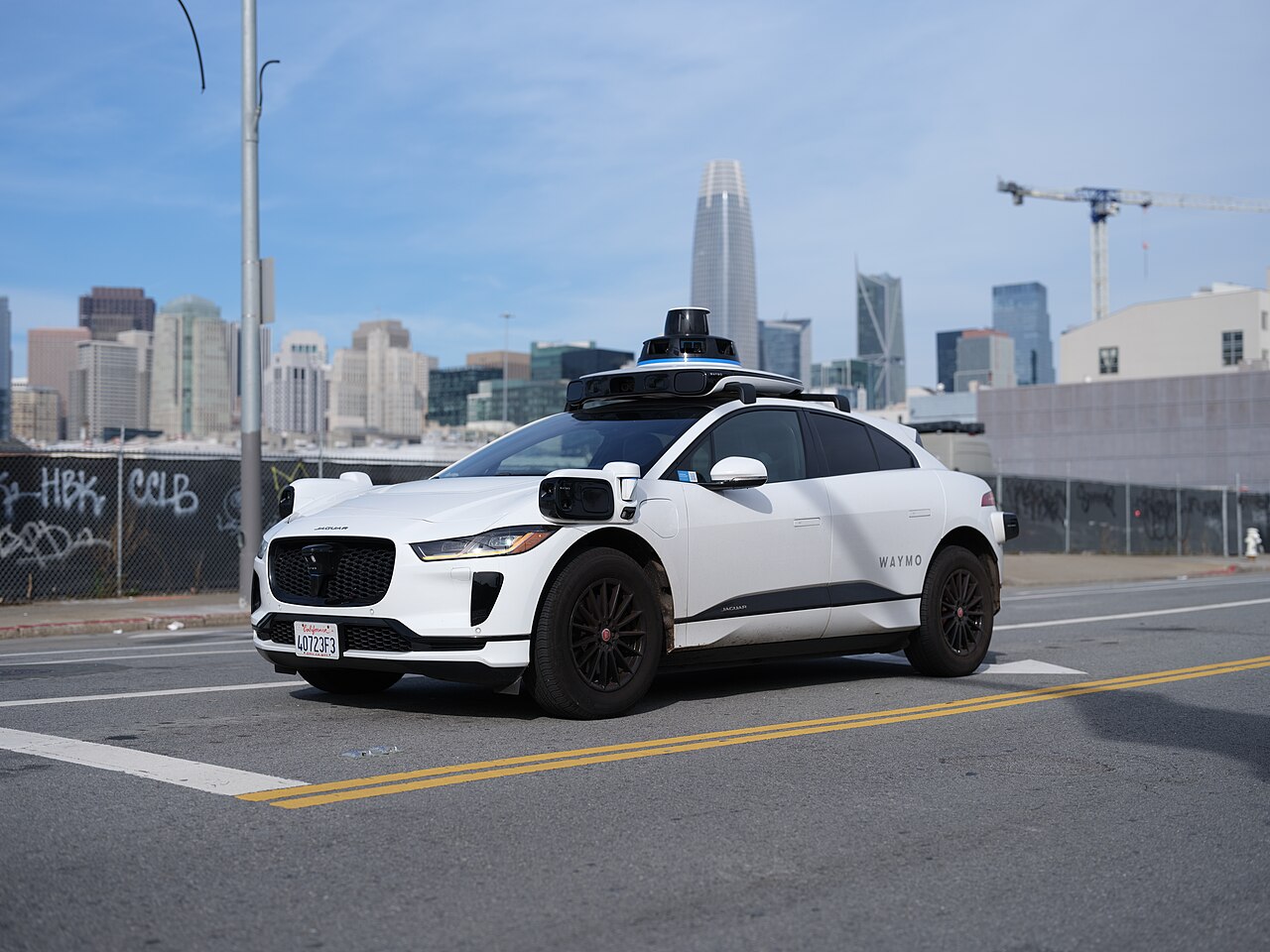
For years the robotaxi was the technology that was always “two years away.” In 2026 that excuse quietly expired. Driverless ride-hailing has crossed from pilot project into a real, paid service operating at city scale — and the contest to dominate it is now a global one.
The clearest signal comes from Waymo, Alphabet’s autonomous-driving unit and the runaway leader in the West. The company reported around 500,000 paid rides every week across ten US cities by spring 2026 — roughly double its volume of a year earlier — using a fleet reported at just over 3,000 vehicles. Phoenix, San Francisco and Los Angeles have been joined by Austin, Atlanta, Miami, Dallas, Houston, San Antonio and Orlando. Waymo has set itself a blunt target for the year: one million paid rides a week.
A widening field, not a two-horse race
Tesla, long the loudest voice in autonomy, has had a more sobering year. After launching a robotaxi pilot in Austin in 2025, it has extended to Houston and Dallas, but reportedly operated only around twenty driverless vehicles in early June, and several of its promised 2026 city launches slipped from firm dates to “preparations underway.” The gap with Waymo, for now, is wide.
Behind them, Amazon’s Zoox is turning its purpose-built, steering-wheel-free pod from a free novelty into a business: paid rides around the Las Vegas Strip were expected to begin around late June pending regulatory sign-off, with Austin and Miami on the roadmap and an Uber partnership funnelling riders into its cars.
The centre of gravity shifts east
The most striking story of 2026, though, is how international the map has become. China’s Baidu operates its Apollo Go service across more than twenty cities and is pushing into Dubai and Abu Dhabi through partners. Pony.ai says it expects to finish the year with more than 3,500 robotaxis across twenty-plus cities and has launched what it calls Europe’s first commercial robotaxi service, in Croatia. WeRide is building toward a thousand vehicles in the Middle East. And Waymo itself has named London as its first overseas service region, with test cars already reported on the streets of Tokyo and New York.
None of this means the hard problems are solved. Robotaxis still struggle with extreme weather, roadworks, emergency vehicles and the simple economics of cleaning and charging a fleet around the clock. But the question has shifted. It is no longer “will driverless taxis work?” but “who will run them, in which cities, and under whose rules?” That is the argument of a maturing industry — not a science project.