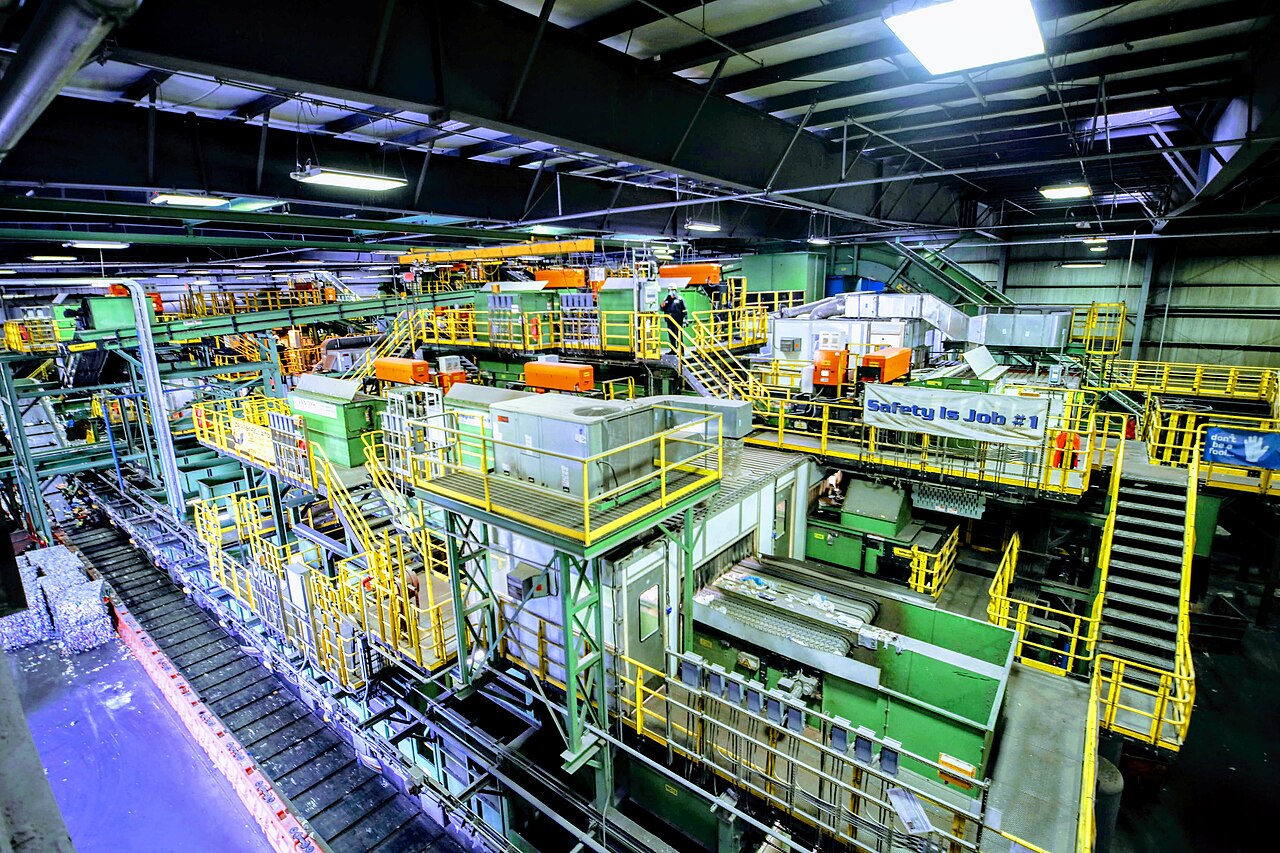
Recycling is one of the least glamorous corners of robotics, and one of the most revealing. Every day, mixed "single-stream" recycling pours into material recovery facilities (MRFs), where it has long been sorted by hand — people standing beside fast conveyor belts, pulling out cans, cartons and bottles in a noisy, dusty, physically punishing job. It is exactly the kind of work robots were supposed to take over. In 2026, they finally are.
Eyes before arms
The breakthrough is less about the robot arm than the vision behind it. Companies such as Greyparrot mount camera-based "analyzer" units over the belt that identify what flows past in real time. Greyparrot reports its recognition library now spans more than 100 waste categories, building a live map of the material stream that downstream robots can act on. The same cameras expose how much value escapes: in one Canadian facility, Greyparrot's audit tool reportedly found that over 1,260 "valuable" objects were lost to the residue line every hour — most of them large enough for a robot to have grabbed.
Pair that perception with a fast picker and the numbers move. Greyparrot says its data helped push one robotic line to around 80 picks per minute. AMP Robotics, the other big name, says it has deployed hundreds of AI sorting systems across North America, Europe and Asia, with recovery rates reported above 90% on some targeted materials.
Building the automated MRF
The clearest sign of the shift is that robots are no longer being bolted onto old plants — they are designing the plant. AMP and hauler Waste Connections built a greenfield, AI-first facility in Commerce City, Colorado, commissioned in early 2026, running AMP's "AMP ONE" system to process up to 62,000 tons of single-stream recycling a year. In Europe, Waste Robotics and Greyparrot are bringing a similar setup to Luxembourg. Analysts reportedly value the waste-sorting robot market at nearly $4 billion for 2026.
It is worth keeping the enthusiasm in check. Robotic sorters still struggle with contaminated, tangled or shredded waste; they raise recovery rates rather than guaranteeing clean bales; and the economics only work where labour is scarce and material values are high. But the direction is clear, and unusually win-win: cleaner recycling streams, less value buried in landfill, and fewer humans doing one of the dirtiest, most dangerous jobs on the line. For once, "let the robot do it" is hard to argue with.